The Aahom dynasty আহোম ৰাজবংশ played a significant role in the history of Assam, India. The dynasty ruled the region for about 600 years, from the 13th century until the early 19th century.
The Aahom dynasty আহোম ৰাজবংশ played a significant role in the history of Assam, India. The dynasty ruled the region for about 600 years, from the 13th century until the early 19th century. Here’s an overview of the history of the Ahom dynasty:
Origin
The Aahom dynasty originated from the Shan Kingdom in present-day Myanmar (Burma). Sukaphaa, the founder of the Ahom dynasty, migrated from the Shan kingdom with a group of followers and established the Ahom kingdom in the Brahmaputra Valley of Assam in 1228.
Consolidation of Power
Sukaphaa and his successors gradually expanded their influence in the region, assimilating various local tribes and kingdoms. They consolidated their power and established a strong administration.
Golden Age
The Aahom dynasty reached its zenith during the reign of Swargadeo Rudra Singha (1696-1714). He undertook extensive military campaigns, expanded the kingdom’s territories, and initiated various reforms. The Ahom kingdom became a major power in Northeast India during this period.
Administration and Culture
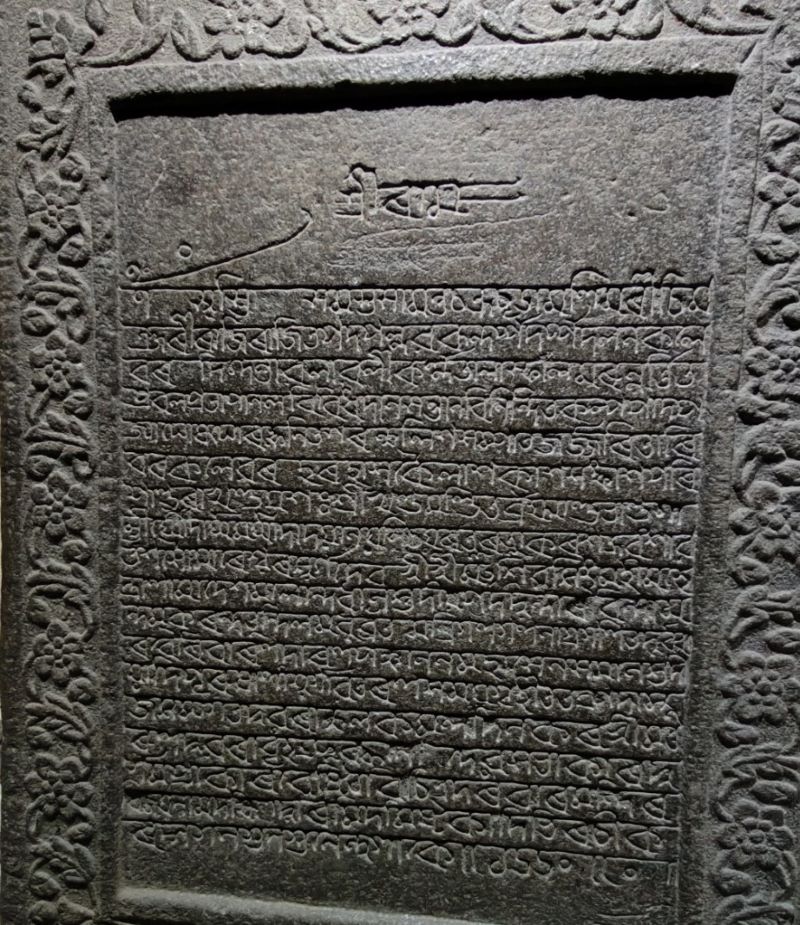
The Ahom rulers established a well-organized administrative system with a hierarchy of officials. The kingdom had a hereditary monarchy, and the Ahom kings were known as “Swargadeos.” The Ahom society had a feudal structure, and the nobles, known as “Borbarua” and “Borphukan,” played crucial roles in the administration. The Aahoms had their language and script, and they patronized literature, art, and architecture.
Wars with the Mughals and Burmese
The Ahom kingdom faced numerous invasions from external forces. The Mughals from northern India and the Burmese from the east posed significant threats. The Ahoms successfully repelled several Mughal invasions in the 17th century. However, they faced severe setbacks during the Burmese invasions in the late 18th century.
Decline and British Rule
The Burmese invasions weakened the Aahom kingdom, and internal conflicts further deteriorated its condition. The Ahom ruler Purandar Singha sought help from the British East India Company, leading to the Treaty of Yandabo in 1826. As a result, the Ahom kingdom came under British control, marking the end of the Ahom dynasty.
Legacy
The Ahom dynasty left a lasting impact on Assam’s history and culture. The Aahoms assimilated with the local communities, resulting in the formation of a diverse Assamese society. Their contributions to art, architecture, literature, and language continue to influence Assamese culture. The Ahom architectural style is evident in structures like the Rang Ghar and Talatal Ghar in Sivasagar, which serve as prominent landmarks today.
The history of the Aahom dynasty in Assam showcases their resilience in the face of external threats and their contributions to the region’s cultural heritage.



Leave a Reply