Elephant Apple (O Tenga) of Assam. A Hidden Gem in the World of Exotic Fruits. Health Benefits of Elephant Apple ঔ টেঙা In Assam, Elephant Apple is a staple in traditional dishes, valued for its tart flavor that enhances various recipes uniquely. The Assamese people treasure this exotic fruit, scientifically known as Dillenia indica, as…
Elephant Apple (O Tenga) of Assam. A Hidden Gem in the World of Exotic Fruits. Health Benefits of Elephant Apple ঔ টেঙা
Elephant-Apple-Assamese-Traditional-Fruit
In Assam, Elephant Apple is a staple in traditional dishes, valued for its tart flavor that enhances various recipes uniquely. The Assamese people treasure this exotic fruit, scientifically known as Dillenia indica, as a culinary delight. Let’s explore Elephant Apple—its origins, health benefits, culinary uses, and cultural significance in Assam’s rich tapestry.
Origins and Botanical Profile
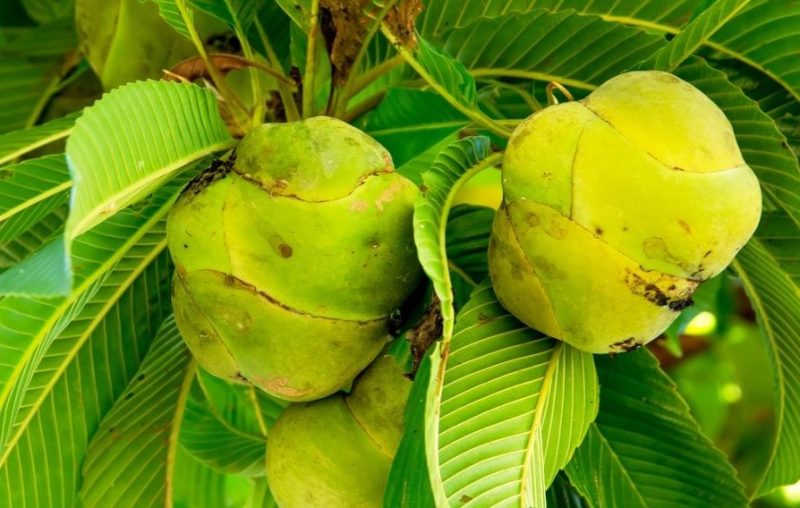
The Elephant Apple thrives in the dense forests and riverbanks of Southeast Asia, particularly in India, Bangladesh, and Thailand. The tree can grow up to 15 meters tall, boasting large, glossy leaves and fragrant white flowers. The fruit itself strikes quite a resemblance to a green, ribbed apple with a tough outer shell that encases a fibrous, juicy pulp.
Health Benefits of Elephant Apple
Elephant Apple is not just a delight for the taste buds; it also packs a punch in terms of health benefits. Here are some reasons why you should consider adding O Tenga to your diet:
Rich in Antioxidants: The fruit’s antioxidants combat free radicals, lowering the risk of chronic diseases by neutralizing harmful oxidative stress.
Boosts Digestion: The high fiber content aids in digestion, alleviating constipation and promoting a healthy gut.
Anti-inflammatory Properties: Traditional medicine uses Elephant Apple for its anti-inflammatory effects, making it beneficial for conditions like arthritis.
Vitamin C Powerhouse: It’s a great source of Vitamin C, which is essential for immune function, skin health, and overall vitality.
Low in Calories: This low-calorie fruit satisfies taste buds without adding pounds, making it ideal for those watching their weight and enjoying flavor.
Culinary Uses of O Tenga
In Assam, Elephant Apple is a staple in traditional dishes, valued for its tart flavor that enhances various recipes. Here are some popular ways it is used in Assamese cuisine:
Tenga Anja: This tangy fish curry is a signature dish in Assamese households. The sourness of the Elephant Apple perfectly complements the flavors of the fish and spices.
Pickles and Chutneys: The fruit is often pickled or made into chutneys, providing a tangy accompaniment to meals.
Soups and Stews: Cooks add Elephant Apple to soups and stews to impart a refreshing sourness that balances the richness of the other ingredients.
Juices and Sherbets: In the hot summer months, people use the pulp to make cooling beverages that are both delicious and hydrating.
Cultural Significance
In Assam, O Tenga is more than just a fruit; it’s a symbol of cultural heritage and tradition. It is often used in religious ceremonies and festivals, symbolizing abundance and prosperity. In traditional medicine, practitioners use various parts of the Elephant Apple plant for their therapeutic properties.
Growing Your Own Elephant Apple Tree
Growing an Elephant Apple tree can be rewarding for enthusiasts intrigued by this exotic fruit and interested in horticulture. The tree thrives in tropical climates and requires well-drained soil and plenty of sunlight. Regular watering and occasional fertilizing will ensure a healthy, fruit-bearing tree.
Conclusion
The Elephant Apple, or O Tenga ঔ টেঙা, offers a plethora of health benefits, culinary versatility, and cultural significance. Whether you love exploring flavors or seek nutritious options, this exotic fruit from Assam is worth discovering for its uniqueness. So next time you come across an Elephant Apple, don’t hesitate to bring a taste of Assam into your kitchen.
PG Diploma in New Venture Development & Management.CM-Fellow Programme – Gauhati University’s Flagship Initiative under CM-AAA The Department of Business Administration, Gauhati University, has partnered with the Government of Assam. Together, they have launched an…
Top 10 Computer Science Project Ideas for Students in Assam (2025 Edition). Research Topics for B.Tech, MCA students Are you a Computer Science student in Assam seeking an impactful and original final-year project? Whether you’re…
Assamese Indigenous Local Food and Beverages. Traditional Foods of Assam. অসমীয়া খাদ্য তালিকা One of its most captivating aspects is its indigenous cuisine, deeply rooted in local ingredients, traditional cooking methods, and a strong connection…
পৰীক্ষাৰ মূল্যায়ণ আৰু গ্ৰেডীং পদ্ধতিৰ বিশ্লেষণ-শ্যামলেন্দ্র নাথ বৰুৱা Analysis of examination test evaluation and grading systems in Undergarduate and Post Grraduate Programs in India. বিশ্লেষণ পৰীক্ষাৰ মূল্যায়ণ কৰা হয় Marks ত । এই Marks system-ত…
What is CO-PO Mapping in Bloom’s Taxonomy? Bloom’s Taxonomy was created by Benjamin Bloom in 1956, published as a kind of classification of learning outcomes and objectives, CO-PO Mapping stands for When we map COs…
4-Year Integrated BA BEd, BSc BEd, and BCom BEd Program in Assam. India’s education sector is evolving with the introduction of the 4-year Integrated Teacher Education Programme (ITEP). This initiative, aligned with the National Education…
Uruka of Assam and Bhogali Bihu: A Grand Harvest Festival in Magh Bihu. ভোগালী বিহু. Bhogali Bihu is also known as Magh Bihu. It Is the one of the most popular festivals in Assam, celebrated…
How to Publish a Result in the Samarth Portal. How to Publish a Public Notice for Students in the Samarth Portal: A Step-by-Step Guide. Configuration Tutorials. University Results in Samarth Portal. Publishing a public notice…
What Is a Credit in Academics? In academics, a credit is a standardized unit used to measure a student’s workload and learning achievements in a course or program. Credits represent the amount of academic effort…
Unique Assamese Chili Recipes- Kon Jolokia কন জলকীয়া . Kon Jolokia, Assam chili, Assamese cuisine, traditional pickles, mustard oil, regional foods, chili varieties, local delicacies, commercial cultivation. Assam, a state known for its rich cultural…